 |

Fabricated Steel Components for OEMs: From Specification to Finished Assembly
From material certification and welding control to machining, inspection and logistics, successful OEM fabrications require far more than cutting and welding steel. |
|
Fabrication can look straightforward on paper. Cut the steel, weld it together, finish it and ship it. In reality, OEM fabrication work is rarely that simple. A chassis, hopper or welded assembly can involve dozens of individual parts, critical dimensions, machined interfaces and weld sequences that all have to come together properly. Heat from welding can move a structure, material grades have to be right, finished assemblies still need checking, and larger fabrications bring their own handling and transport issues.
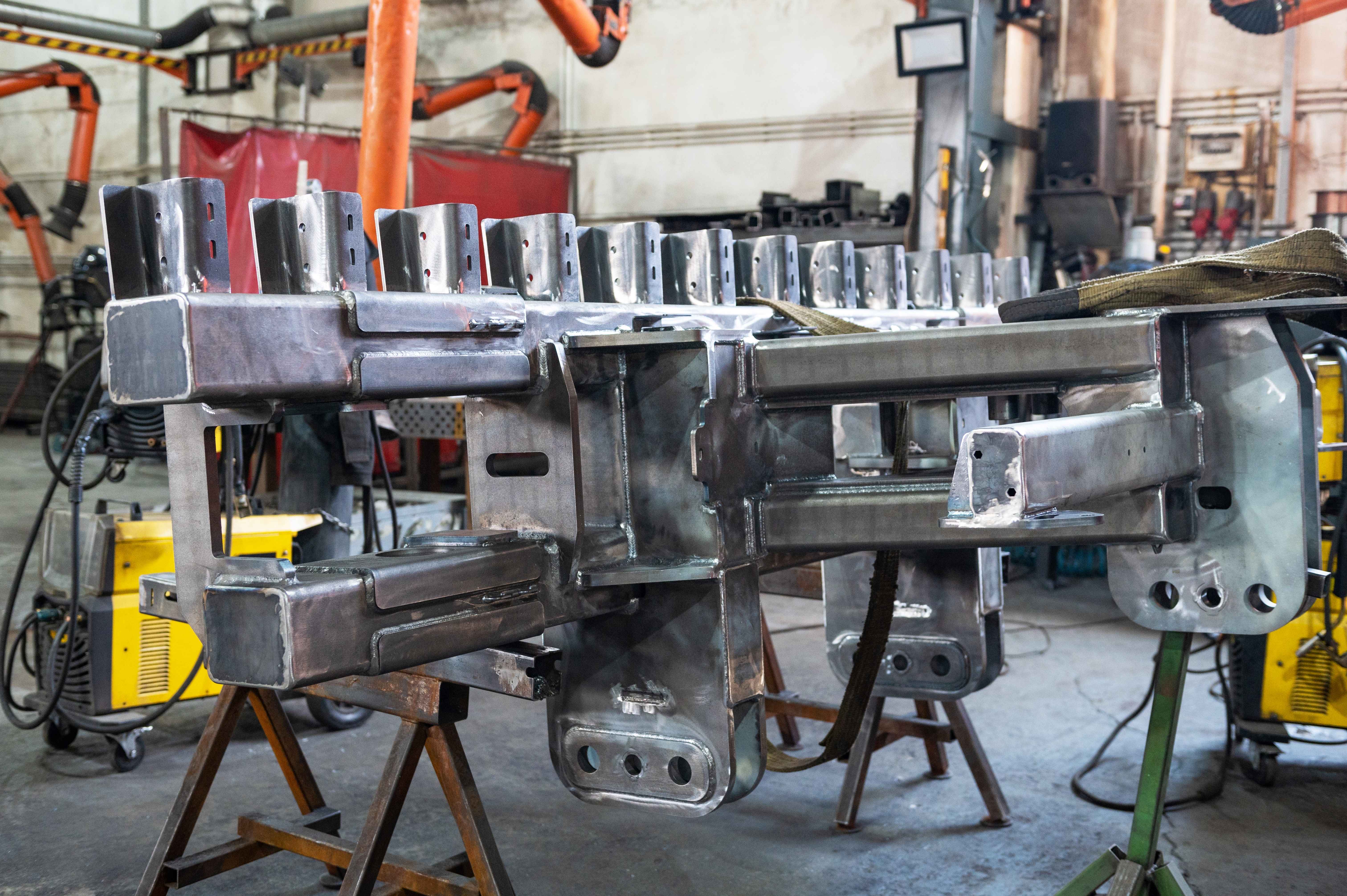
ATG manages that whole process for OEM customers. We work with manufacturing partners producing fabricated components from relatively small parts through to assemblies weighing several tonnes, and we manage the qualification, inspection and logistics around the finished product. Fabricated Components Built Around the Application There isn’t really a standard ATG fabrication. One customer might need a fabricated chassis, another a hopper or feeder, while other projects involve pipe units, manifolds, hydraulic tanks or more complex welded structures that form part of a larger machine. That variety is exactly why the manufacturing route needs to start with the application. The material, loading, critical dimensions, machining requirements and final finish all affect how the component should be made. A fabrication that simply carries a static load is a very different job from one that has bearing mounts, hydraulic equipment or other components bolted to it later. ATG’s manufacturing network works with structural steels including BS EN 10025 grades and stainless steels to BS EN 10088, with material certification available to requirements including EN 10204 3.1, 3.2 and DNV/Lloyd’s certification. For procurement teams, that traceability is part of the job. There’s little point controlling weld quality if the wrong material went into the fabrication in the first place.
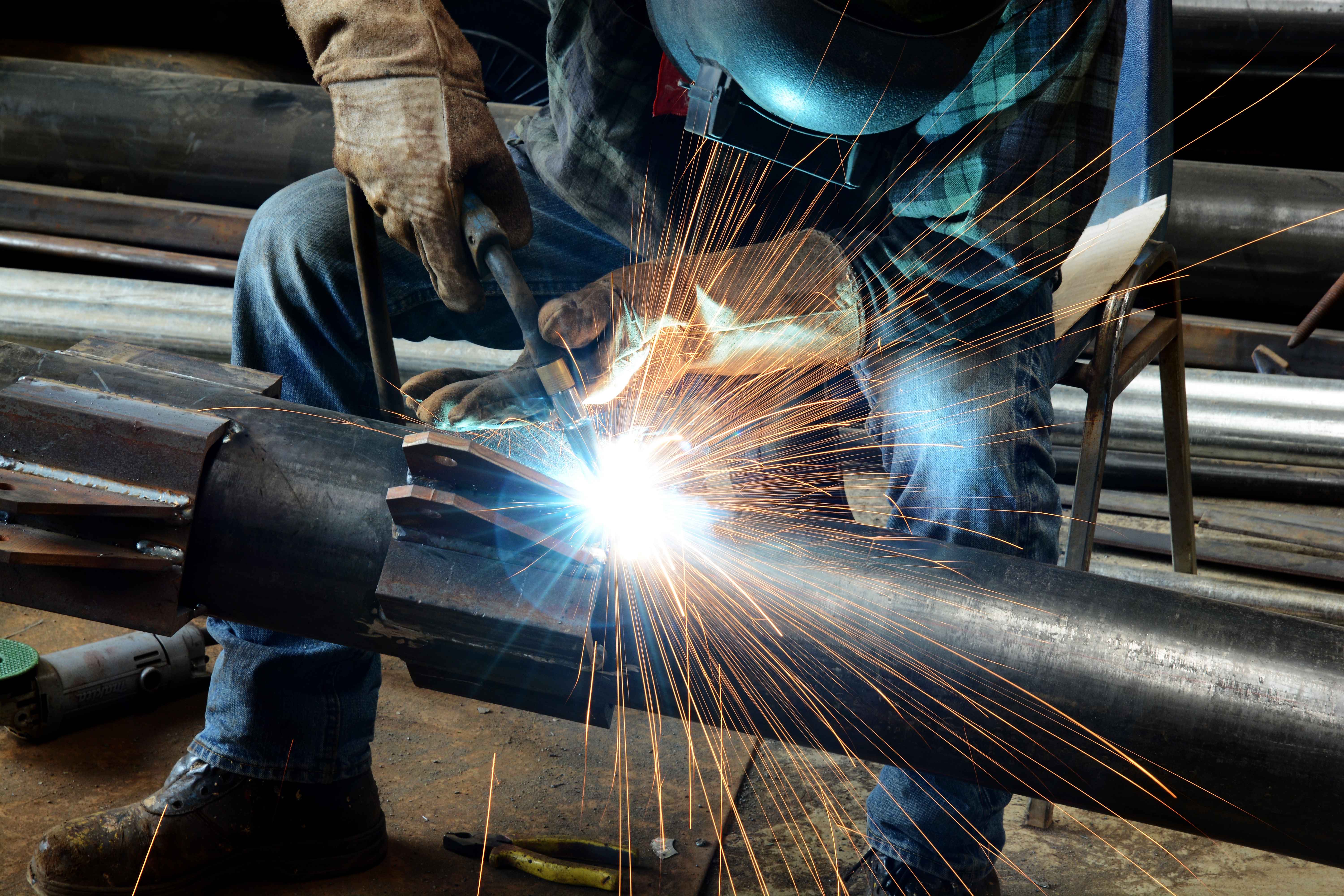
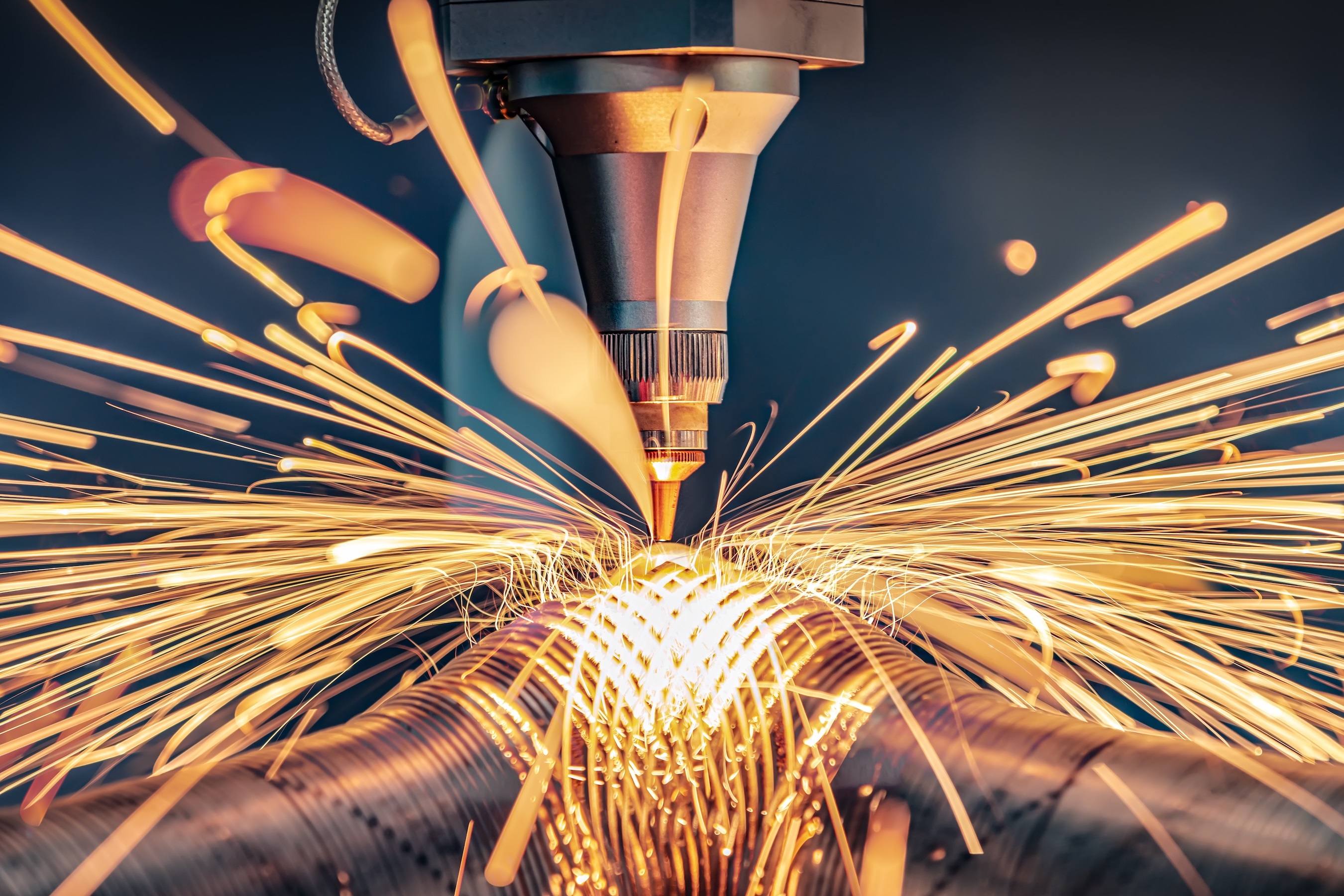
Welding Is Only Part of the Job ATG manufacturing partners use processes including MIG, TIG and laser welding depending on the part, the material and the joint design. The welding process itself is only one part of getting a fabrication right. Heat changes things. Long weld runs can pull a frame out of line, distort a plate or move a mounting point just enough to create a problem further down the line. A structure can look perfectly acceptable on the fabrication table and still fail to fit properly when it reaches the OEM’s assembly area. That’s where good fixturing, weld sequencing and dimensional control matter. The manufacturer needs to understand which dimensions are genuinely critical and where movement during welding has to be controlled. On more complex assemblies, that can affect the order of manufacture, when machining takes place and how the part is supported while it’s being welded. A fabrication is only successful if the finished assembly fits and performs as intended.
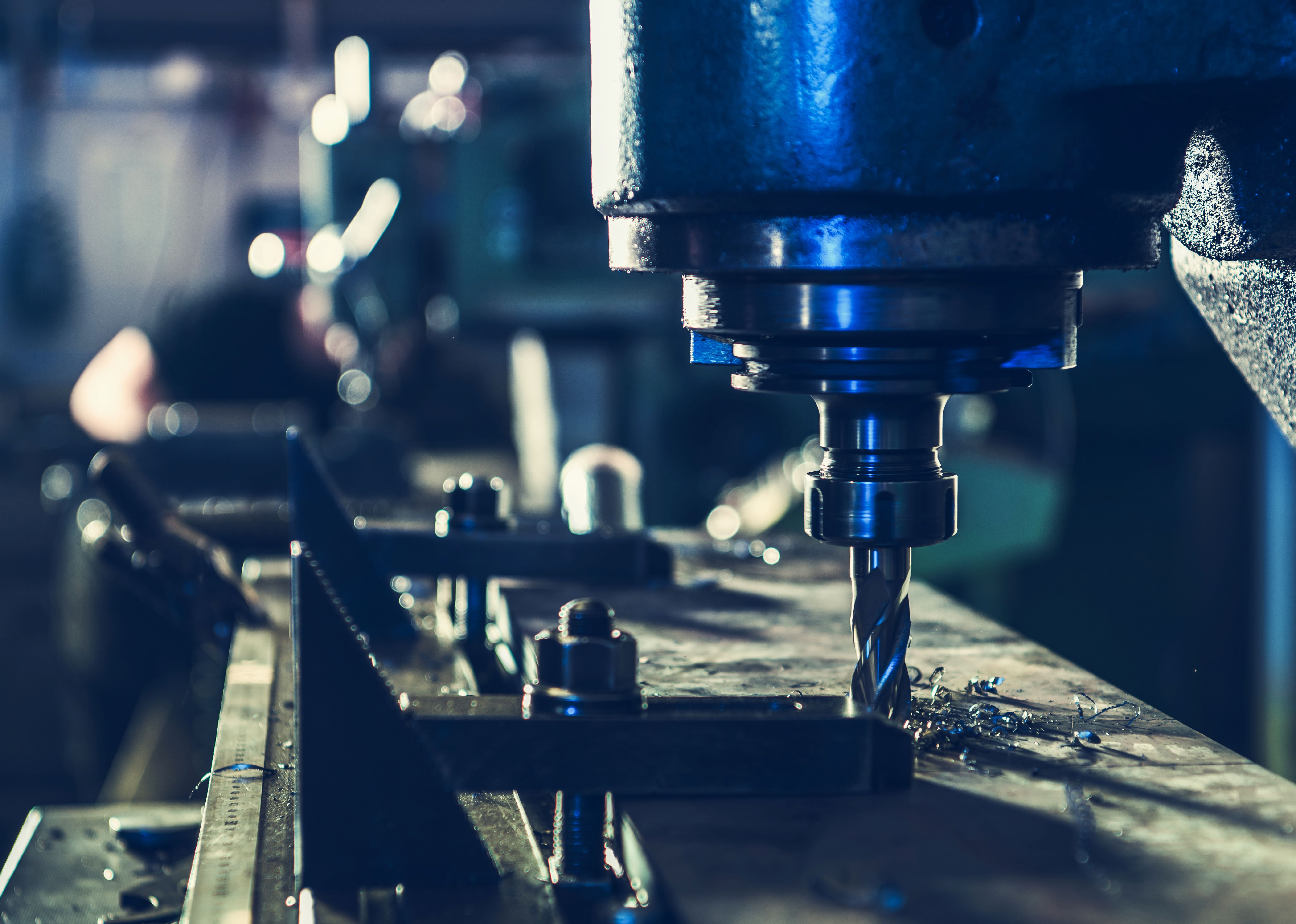
Machining After Fabrication A lot of fabricated components still need machining after the welding is finished. That might mean machined faces, bores, mounting pads, holes or other precision features that have to line up with the finished structure. In those cases, it makes much more sense to treat fabrication and machining as one manufacturing programme rather than pass the assembly between separate suppliers and hope everything still lines up. Take a fabricated chassis with machined mounting locations. If those locations are critical to the final machine build, they need to be machined in relation to the finished welded structure. Machine them too early and welding distortion can leave them in the wrong place. The same applies to hoppers, frames, tanks and other assemblies where fabricated and precision features meet. ATG can coordinate those different stages through the same supply programme, using its wider manufacturing capabilities in precision machining, castings and forgings where the finished assembly needs more than fabrication alone. For an OEM purchasing team, that removes a lot of unnecessary supplier coordination. Choosing the Right Manufacturing Partner Not every fabrication factory is right for every job, even if they all appear to offer broadly similar capabilities. A supplier producing small stainless assemblies isn’t automatically the right choice for a multi-tonne structural fabrication. Likewise, a factory used to heavy weldments may not be the best fit for a more intricate component where appearance, tighter dimensional control or detailed finishing matter. Machine capacity and floor space are only part of the picture. The factory also needs the right welding experience, handling equipment, fixtures, inspection capability and a good understanding of the type of component it’s being asked to make. That’s why ATG selects manufacturing partners around the actual part rather than simply placing the work with whichever supplier has availability. Our engineering teams work directly with manufacturers during production, which means technical questions can be dealt with while the component is still on the factory floor. That’s particularly useful when a new fabrication is moving through qualification or when a design needs clarification. It’s far easier to correct an issue there than discover it after the assembly has arrived at the customer.
Checking the Finished Fabrication Quality control on fabricated components has to go beyond looking at the welds. ATG’s teams qualify fabricated components chemically, mechanically and dimensionally before dispatch. What that involves depends on the component and the customer specification, but the principle is simple: the finished assembly needs to match the agreed requirement. Material needs to be correct. Critical dimensions need to be checked. Any machining, coating or secondary work needs to have been completed properly. For larger assemblies, dimensional accuracy becomes even more important. A small error over a long structure can turn into a much bigger problem when the part reaches final assembly and suddenly no longer lines up with the rest of the machine. Nobody wants the first proper fit check to happen after a large fabrication has travelled halfway around the world. Repeat Production Has to Stay Consistent Getting the first fabrication right is one thing. Producing the same component consistently over months or years is the real test. Good fixtures, controlled processes and regular inspection all help keep repeat orders within specification. Drawing revision control matters too. If an OEM changes a mounting position, material thickness or another detail, that change has to flow through the production process properly. That sounds obvious, but it’s exactly the kind of thing that causes avoidable problems when communication between buyer, supplier and factory isn’t tightly managed. ATG manages the programme as an ongoing supply relationship rather than treating every purchase order as a completely separate job. That continuity helps maintain consistency across repeat production. Large Fabrications Bring Logistics Into the Equation The bigger and heavier the component becomes, the more logistics starts to influence the whole job. A fabrication weighing several tonnes can’t be treated like a pallet of small machined parts. Packaging, lifting, loading and transport all need to be considered, and shipping arrangements have to work around the customer’s required delivery date. ATG manages the international logistics and shipping as part of the supply programme, including the planning needed to move large or awkward assemblies from the factory through to final delivery. That matters because a well-made fabrication sitting in the wrong port is still a problem for the customer. Manufacturing and logistics have to be planned together. A Complete Fabrication Supply Service ATG supplies fabricated components ranging from construction and agricultural fabrications to chassis, hoppers, feeders, hydraulic tanks, pipe units and manifolds. But the real value is in managing everything around the part. We review the requirement, select the right manufacturing partner, manage production, coordinate machining or other secondary processes where needed, oversee qualification and inspection, and then organise delivery. That gives OEM procurement and engineering teams one point of responsibility across the whole programme. If you have an existing fabricated component that needs a new source, a second-source requirement or a new assembly moving towards production, send the specification to ATG. Tell us what the finished component needs to do. We’ll manage the manufacturing, quality and supply chain needed to get it into production. |